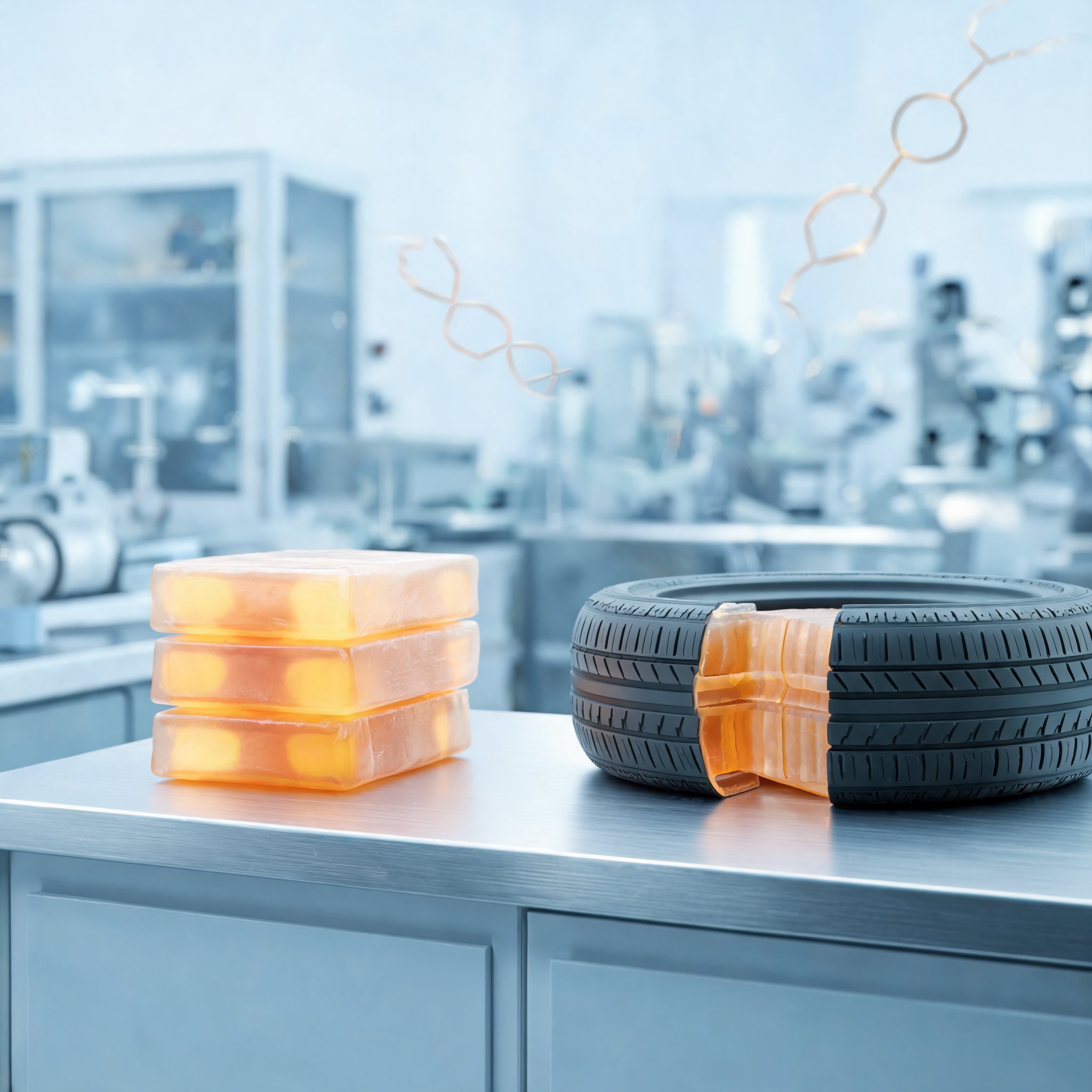
The global solution styrene-butadiene rubber (S-SBR) market is projected to rise from an estimated US$4.2 billion in 2024 to US$6 billion by 2030, according to a market report published by Research and Markets. The forecast implies a compound annual growth rate of 6.1% across the 2024–2030 period.
Tire applications lead the outlook
S-SBR is a synthetic rubber used where abrasion resistance, tensile strength and flexibility matter. In tires, the report credits the material with helping to improve wet grip and reduce rolling resistance compared with traditional rubber compounds, which contributes to better fuel efficiency. Automotive manufacturing is expected to remain the largest source of demand through the forecast period, as interest in tires offering improved safety, durability and fuel efficiency encourages manufacturers to adopt advanced rubber materials. The tire application segment alone is projected to reach US$4.7 billion by 2030, a 6.5% CAGR that makes it both the largest and the fastest-growing application covered by the report.
Electric vehicles are identified as an additional avenue for growth. The report points to expanding EV production and sales as a factor that could increase the use of S-SBR in electric vehicle tires.
Footwear, adhesives and construction
Beyond tires, footwear is forecast to grow at a 5.7% CAGR over the analysis period, supported by demand for durable and flexible materials. S-SBR also features in adhesives and sealants, polymer modification and other industrial uses. The report flags opportunities tied to the adhesives and sealants industry and to a recovery in the global construction sector, where infrastructure investment, construction activity and urbanization could support demand for materials used in construction-related applications.
Regional demand
The United States market was valued at US$799.4 million in 2024. China is expected to post particularly strong growth, with a forecast CAGR of 7.9% and a market of US$1.2 billion by 2030. Asia-Pacific is highlighted as an important growth region, while North America and Europe are also described as significant opportunities for market participants. The report also examines developments across Japan, Canada, Germany, France, Italy, the United Kingdom, India, South Korea and other countries and regions.
Technology and competition
Advances in polymerization are enabling manufacturers to develop rubber grades with properties tailored to specific applications, while nanotechnology and advanced fillers are being used to improve mechanical performance and durability. Improvements in solution polymerization and advanced mixing processes are also cited as ways to raise production efficiency and product quality. Research and development spending by major industry participants is expected to support further innovation and create additional opportunities for expansion.
Suppliers named in the report include:
- ARLANXEO Holding B.V.
- Asahi Kasei Corporation
- Chi Mei Corporation
- Dynasol Group
- Goodyear Tire and Rubber Company
- JSR Corporation
- LANXESS AG
- LG Chem Ltd.
- SIBUR International GmbH
- China Petroleum & Chemical Corporation (Sinopec)
- Sumitomo Chemical Asia Pte Ltd
- Synthos SA
- Taiwan Synthetic Rubber Corporation
- Trinseo
- Versalis S.p.A.
Vertical integration and a strategic focus on tire applications are among the competitive strategies the report identifies.
Trade and supply chain pressure
Growth is not unqualified. The report notes challenges linked to international trade developments, supply chain disruptions and economic uncertainty. Its analysis incorporates updated tariff developments across more than 180 countries and their potential effects on sourcing, supply chains and geographic market positioning, alongside revised forecasts through 2030, historical market performance from 2015 to 2023 and competitive market share estimates for 2025. Those factors are expected to remain relevant as manufacturers weigh production strategy, regional expansion and investment.