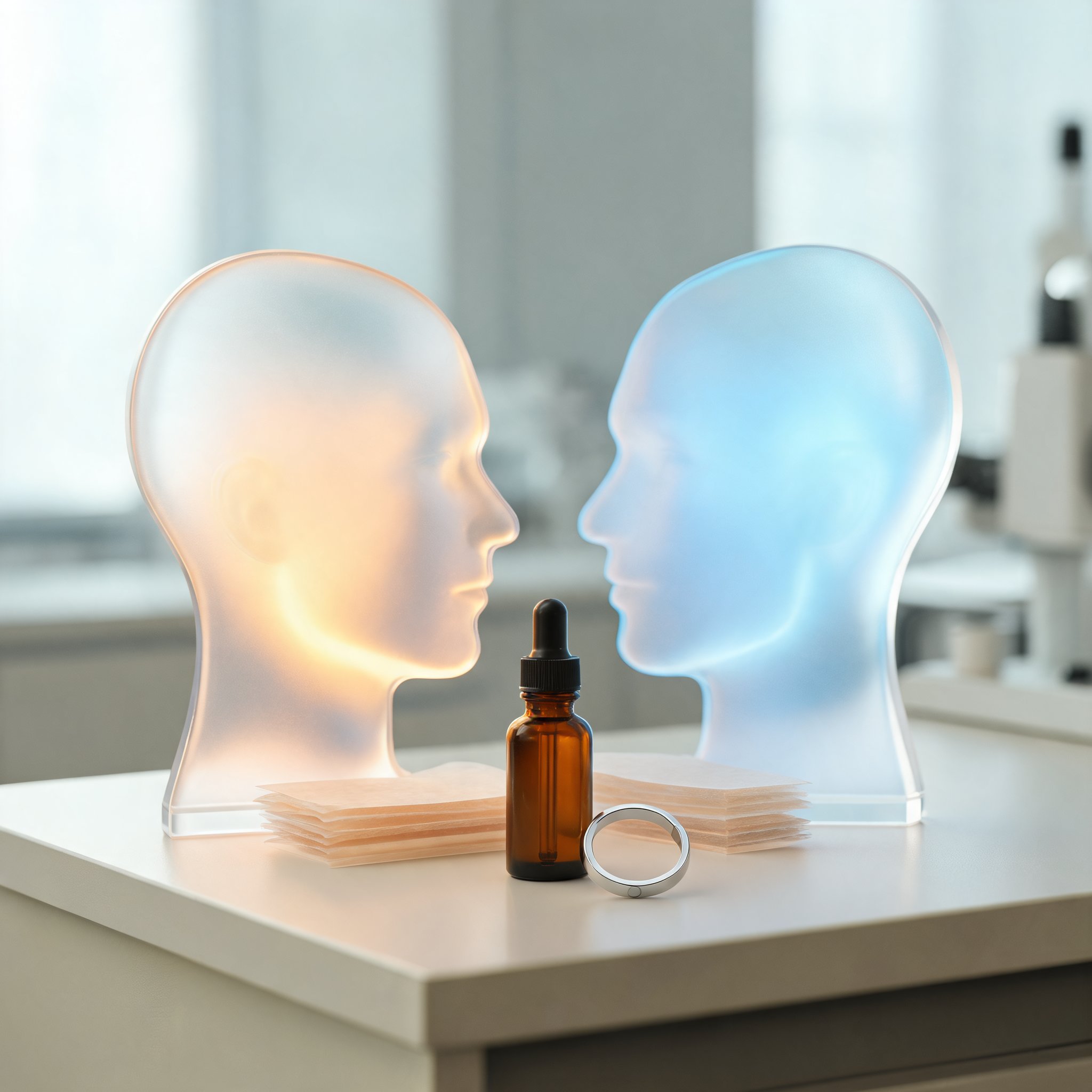
RoC Skincare is using identical twins and wearable biometric tracking to study how lifestyle factors shape the visible effects of its Patented Clinical Retinol. The company has completed a pilot twin study and is recruiting 30 pairs of women aged 40 and older in the US for a 12-week expanded phase, with results expected by mid-2027.
The brand says the model offers a cleaner way to separate product effects from genetic variation. Because identical twins share DNA and much of their early environment, differences in skin aging are more likely to reflect habits, stress, sleep or sun exposure than inherited traits. Art Pellegrino, RoC's chief scientific officer, described identical twins as close to a natural control.
Pilot findings
According to Pellegrino, twins in the pilot's placebo group showed similar or worse signs of aging at the end of the study, while those in the treatment group had improvements of 20% or more in four weeks. The company frames those results as support for the twin model rather than as proof of a general anti-aging effect; the pilot was designed to test whether identical twins could provide a more precise way to study visible skin aging. The pilot did not try to measure how much skin aging comes from genes versus lifestyle; that question is reserved for the expanded study.
The larger study is intended to examine how daily life, including sleep and stress, changes the picture when genetics are held constant. RoC is seeking twins with comparable levels of environmental damage where possible and will track lifestyle factors throughout the 12-week regimen.
Wearables and skin measures
Participants will wear an Oura Ring, a wearable device that tracks health and wellness metrics such as sleep, stress, heart rate, heart rate variability and temperature trends. RoC plans to compare each twin's biometric data with her sister's and with clinical skin readings. That could allow the company to examine whether weeks of poor sleep coincide with lower hydration readings, or whether the twin with lower stress sees fine lines improve faster.
The brand is also interested in the reverse question: whether visible skin improvements affect how stressed participants feel. Its clinical skin measures include expert grading, digital photography, corneometer readings and participant self-assessment.
RoC says the research will inform how it develops products for skin longevity and designs future clinical studies. The figures described from the pilot are company-reported, and the expanded study's expected 2027 results will add evidence on how sleep, stress and other daily factors relate to skin changes.