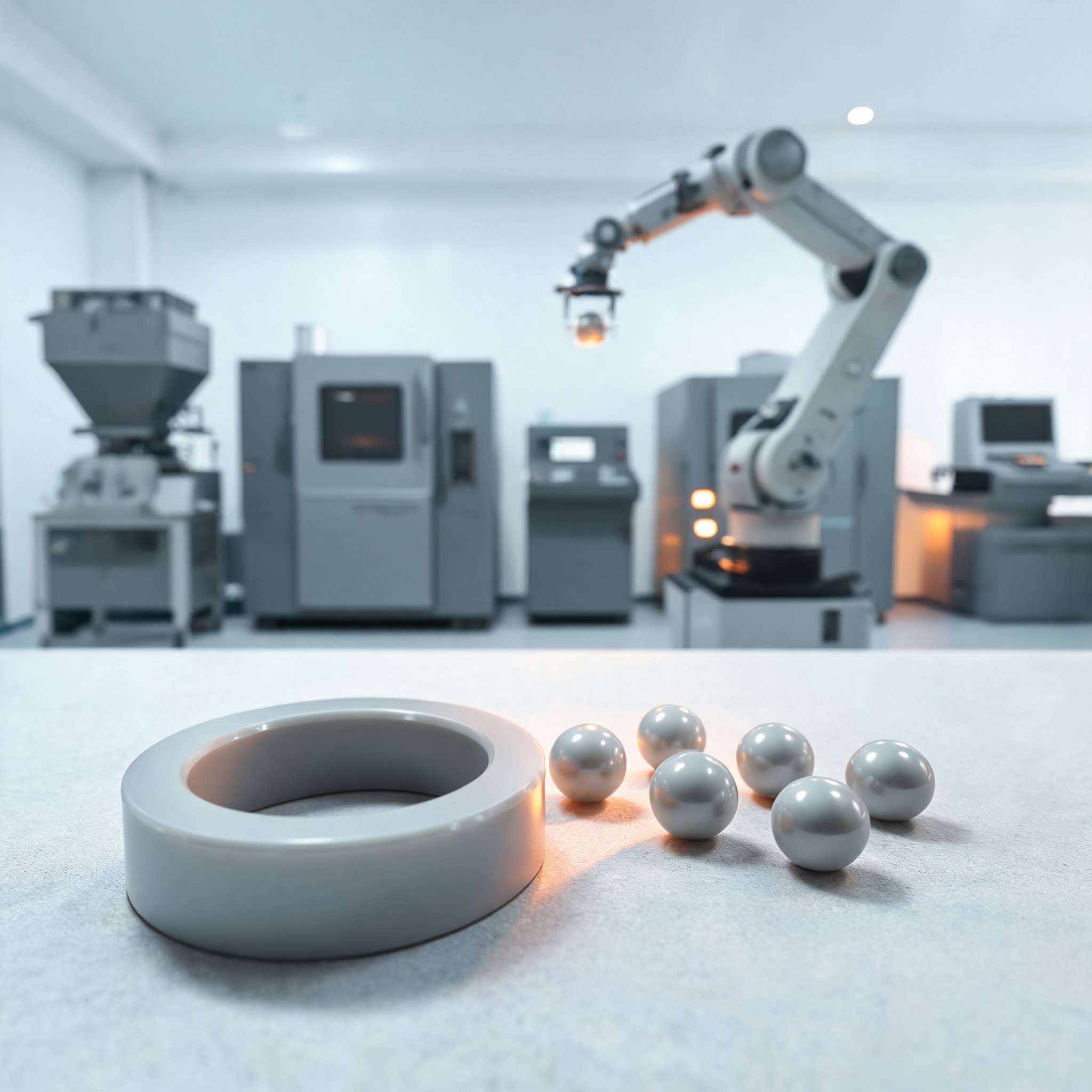
SKF has opened a Ceramic Process Laboratory (C-Pro Lab) at its R&D Center in Houten, the Netherlands, adding an end-to-end ceramic development capability to its hybrid bearing technology work.
The company said the lab spans the ceramic manufacturing value chain, from raw material powder processing to high-performance component engineering. It is intended to support broader adoption of hybrid bearings, which combine high-grade steel rings with silicon nitride rolling elements.
Why hybrid ceramic bearings matter
SKF links demand to electrification and energy efficiency. Hybrid bearings offer electrical insulation, lower weight and reduced friction compared with all-steel bearings, according to the company. These characteristics matter in high-speed electric motors, where electrical erosion can be a concern, and in applications requiring lower friction or reliable operation at extreme temperatures.
Annika Ölme, SKF CTO and senior vice president, technology development, said ceramic and hybrid bearing technologies are essential enablers for clean and reliable rotation in next-generation industrial electrical applications. According to Ölme, the C-Pro Lab gives SKF control over the end-to-end ceramic process, which the company expects to help it innovate faster, optimize material performance and accelerate commercialization of high-performance hybrid solutions.
What the lab is set up to do
SKF describes the C-Pro Lab as a global competence center within its research and technology development organization. By combining powder formulation, compaction, sintering and surface finishing in one facility, researchers can prototype new material compositions, optimize microstructures and improve process efficiency for high-volume manufacturing.
- Powder formulation: developing ceramic material compositions.
- Compaction and sintering: shaping and densifying ceramic components.
- Surface finishing: preparing components for high-performance use.
The lab's scope connects early material work with component engineering, rather than treating ceramic development as a standalone step. SKF says this end-to-end approach is meant to shorten development cycles and support the transition from prototype material compositions to manufacturable components.
Target sectors and opening
SKF identifies industrial automation, aerospace and high-speed machinery as sectors where hybrid ceramic bearings can address operational challenges. The company says these areas are increasingly relying on ceramic technology to prevent electrical erosion in high-speed electric motors, cut friction by up to 50 percent and deliver reliability in demanding temperature environments.
The official opening brought together customers from railway, aerospace and drives, along with other stakeholders and H.E. Julius Liljeström, Swedish Ambassador to the Netherlands. SKF framed the gathering as a sign of the customer collaboration involved in advancing industrial innovation and sustainable technology.
The lab's opening is a capability announcement: it establishes a dedicated ceramic process development site. The extent to which it accelerates specific products or shortens customer qualification timelines will depend on future development and manufacturing programs. SKF has not disclosed those timelines in the announcement.